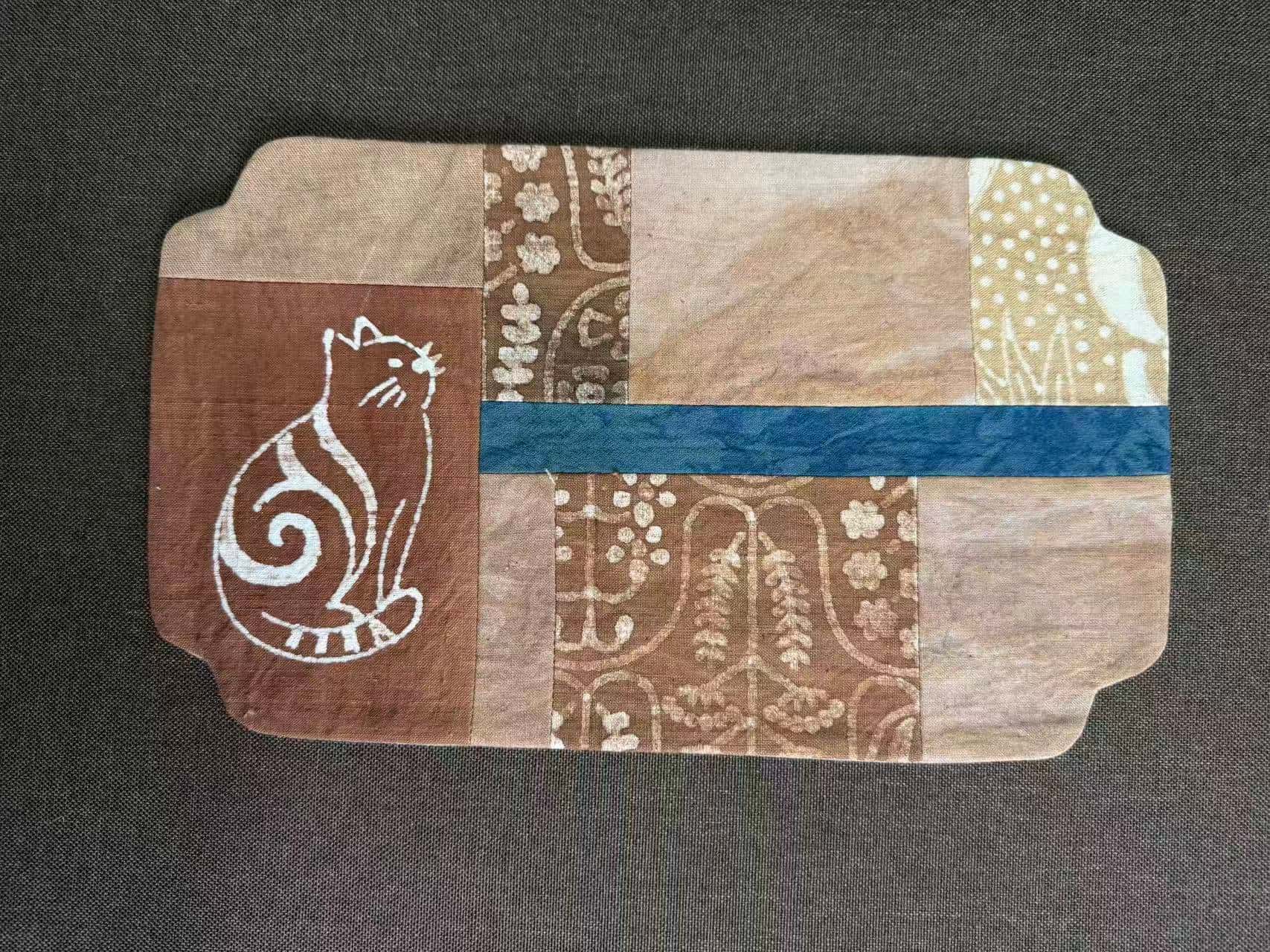
Chinese Intangible Cultural Heritage Textile: The Thousand-Year Tie-Dye Art of Jiaxie and Traditional Chinese Dyeing Techniques
Preserving China’s Thousand-Year Textile Heritage Through Modern Innovation
China has a long history of textile craftsmanship that dates back thousands of years. Among these traditional techniques, Jiaxie (绞缬), an ancient Chinese tie-dye technique, represents one of the most remarkable achievements in textile art.
As a professional textile manufacturer based in Moganshan, Zhejiang, China, Baide Textile is committed to exploring the connection between traditional Chinese textile heritage and modern fashion innovation.
By integrating traditional craftsmanship, sustainable textile concepts, and contemporary design, Baide Textile helps bring the beauty of Chinese intangible cultural heritage to global fashion markets.
The Thousand-Year History of Chinese Tie-Dye (Jiaxie 绞缬)
Jiaxie is one of the oldest traditional Chinese textile dyeing techniques.
The name “绞缬” comes from the traditional process of:
Binding → Folding → Twisting → Dyeing → Unfolding
Through carefully tying and folding fabric before dyeing, artisans create unique patterns with natural variations. Each piece of fabric carries handmade characteristics, making every creation unique.
Unlike modern industrial printing, traditional Jiaxie relies on craftsmanship and human creativity. The unpredictable interaction between fabric, dye, and hand techniques creates artistic patterns that cannot be completely replicated by machines.
For thousands of years, Jiaxie has represented the creativity, wisdom, and aesthetic philosophy of Chinese textile culture.
The Four Traditional Chinese Tie-Dye Techniques (四大缬)
Chinese traditional dyeing culture developed several representative techniques known as the Four Famous Chinese Tie-Dye Arts (四大缬):
1. 绞缬 (Jiaxie) — Tie-Dye Technique
Jiaxie is created by binding and twisting fabric before dyeing.
Characteristics:
* Natural pattern variation
* Unique handmade texture
* Artistic randomness
* Strong cultural identity
Today, Jiaxie continues to inspire designers who seek sustainable and handcrafted textile solutions.
2. 蜡缬 (Laxie) — Wax-Resist Dyeing Technique
Laxie is commonly known as Chinese wax dyeing.
The process involves applying wax to fabric before dyeing. The wax blocks dye absorption, creating distinctive patterns when removed.
Characteristics:
* Clear decorative patterns
* Rich cultural symbolism
* Traditional craftsmanship value
This technique demonstrates the sophisticated understanding of Chinese artisans in controlling dye and fabric interaction.
3. 夹缬 (Jiaxie / Clamp Resist Dyeing)
Jiaxie in this context refers to clamp-resist dyeing, where fabrics are placed between carved boards before dyeing.
Characteristics:
* Symmetrical patterns
* Precise artistic structures
* Complex traditional designs
This technique reflects the combination of craftsmanship, design, and textile engineering.
4. 蓝缬 (Lanxie) — Indigo Dyeing Technique
Lanxie focuses on the use of natural indigo dyes to create deep blue textile expressions.
Characteristics:
* Natural blue tones
* Eco-friendly dyeing concept
* Strong connection with traditional Chinese aesthetics
Indigo craftsmanship has influenced generations of Chinese textile artists and continues to inspire sustainable fashion development.
Why Traditional Chinese Dyeing Matters for Sustainable Fashion
Modern fashion brands are increasingly searching for:
* Sustainable materials
* Low-impact production methods
* Unique handcrafted designs
* Cultural storytelling
Traditional Chinese dyeing techniques provide valuable inspiration for responsible fashion.
Compared with standardized mass production, handcrafted textile techniques offer:
Unique Artistic Value
Each handmade fabric contains individual characteristics and craftsmanship stories.
Sustainable Design Philosophy
Traditional dyeing methods emphasize natural materials, careful resource use, and respect for craftsmanship.
Cultural Identity
Heritage textiles allow brands to create products with deeper emotional connections and storytelling value.
Baide Textile: Connecting Moganshan Heritage with Global Fashion
Located in Moganshan, Deqing, Zhejiang, Baide Textile combines China’s textile heritage with modern manufacturing capabilities.
Moganshan is not only known for its natural beauty but also for its growing creative industries, textile innovation, and cultural development.
Through collaboration with craftsmen, designers, and creative communities, Baide Textile explores how traditional techniques such as Chinese tie-dye can be applied to modern textile products.
Our goal is:
To preserve traditional craftsmanship while creating fabrics that meet the needs of global fashion brands.
Handcrafted Heritage Meets Modern Textile Supply Chain
Traditional craftsmanship alone cannot meet global commercial demand. Therefore, Baide Textile focuses on combining heritage techniques with professional textile capabilities.
Our integrated textile solutions include:
* Yarn development
* Fabric production
* Handcrafted textile innovation
* Customized textile solutions
* Fashion application development
This approach allows international brands to access fabrics that combine:
Chinese Heritage + Modern Quality Control + Sustainable Fashion Values
Supporting the Future of Chinese Textile Heritage
Cultural heritage survives when it connects with contemporary life.
Baide Textile believes that the best way to preserve traditional textile techniques is not only to protect them, but also to create new possibilities through innovation.
By connecting:
* Traditional artisans
* Young designers
* Fashion brands
* Textile manufacturers
Baide promotes a new model of heritage preservation where ancient craftsmanship can continue to inspire future generations.
FAQ
1.What is Jiaxie (绞缬)?
Jiaxie is an ancient Chinese tie-dye textile technique that creates patterns by folding, twisting, and binding fabric before dyeing.
2.What are the Four Famous Chinese Tie-Dye Techniques?
The four traditional Chinese dyeing techniques include:
* Jiaxie (绞缬) — Tie-dye
* Laxie (蜡缬) — Wax-resist dyeing
* Clamp dyeing (夹缬)
* Lanxie (蓝缬) — Indigo dyeing
3.Why is Chinese tie-dye considered intangible cultural heritage?
Because these techniques represent centuries of craftsmanship, cultural knowledge, artistic expression, and traditional production methods passed down through generations.
4.Can Baide Textile develop handcrafted fabrics for international brands?
Yes. Baide Textile provides customized textile solutions combining Chinese traditional craftsmanship with modern fashion requirements.